
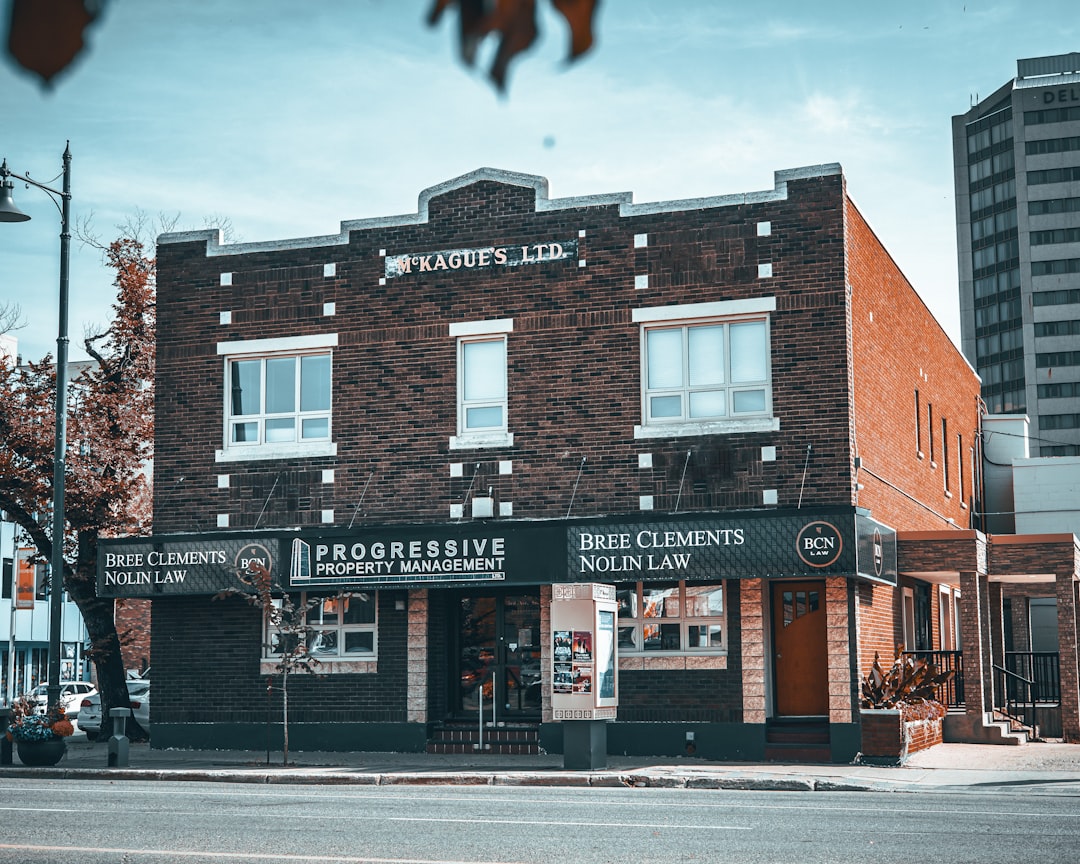
Seattle Office Vacancy Climbs to 35.6% as Retail Sector Shows Resilience
As of the end of 2025, downtown Seattle’s office vacancy rate has risen to a record 35.6%, marking a significant climb from 32.3% in the previous year. This surge highlights ongoing challenges in the office sector, while the retail market continues to demonstrate robust performance with low vacancy rates and steady rent growth.
Key Takeaways
- Seattle’s office vacancy rate reached 35.6% by the end of 2025, up from 32.3% in 2024.
- The industrial sector in Northwest Washington saw a 49% increase in sales volume.
- Retail properties, particularly grocery-anchored centers, maintain low vacancy rates.
- Multifamily sales in the Seattle metro area increased by 12% in Q1 2026.
What Are the Current Trends in Seattle’s Office Market?
The office market in Seattle is experiencing increased vacancy rates, with downtown reaching 35.6% at the end of 2025. This increase is attributed to reduced demand from tech companies and a shift towards remote work. According to Beyond Real Estate, the average asking rent in downtown Seattle rose slightly to $47.62 per square foot, reflecting a 1.3% year-over-year increase.
How Is the Retail Sector Performing in Washington State?
Retail properties, particularly grocery-anchored centers, have shown resilience entering 2026, maintaining low vacancy rates and outperforming other sectors in rent growth, according to Beyond WA. Core retail corridors remain strong, while secondary strip centers require more cautious underwriting.
What Investment Opportunities Exist in Washington’s Industrial Market?
The industrial sector in Northwest Washington presents significant investment opportunities, with sales reaching $2.68 billion by the end of 2025, a 49% increase year-over-year. Whatcom and Skagit Counties have seen remarkable growth with sales volumes increasing 69% and 119% respectively, driven by strong demand for industrial and flex properties.
How Is the Multifamily Sector Performing in the Seattle Metro Area?
The multifamily sector in Seattle’s metro area shows promise, with a 12% increase in sales volume in Q1 2026. This growth indicates strong investor interest and a stable rental market, offering potential for continued investment opportunities in the coming months.
Market Data Summary for Washington’s Commercial Real Estate
The following table summarizes key data points for Washington’s commercial real estate market as of early 2026:
| Sector | Metric | Value |
|---|---|---|
| Office | Downtown Seattle Vacancy Rate | 35.6% |
| Retail | Grocery-Anchored Center Vacancy Rate | Low |
| Industrial | Northwest Washington Sales Volume | $2.68 Billion |
| Multifamily | Seattle Metro Sales Volume Increase | 12% |
What Should Investors Consider in 2026?
Investors should closely monitor the office sector due to high vacancy rates, while considering opportunities in the robust industrial and retail markets. The multifamily sector’s growth presents another significant opportunity. For detailed market data and insights, refer to the Beyond Real Estate market report.
How Do These Trends Fit Into the Bigger Picture?
Washington’s commercial real estate market shows a mixed picture, with significant challenges in the office sector contrasting with strong performance in retail and industrial markets. Nationally, the expectation of $1.5 trillion in commercial real estate debt due by the end of 2026 may impact financing availability and investor sentiment.
Frequently Asked Questions
What is the current vacancy rate for Seattle office spaces?
As of the end of 2025, the vacancy rate for downtown Seattle office spaces is 35.6%, up from 32.3% the previous year.
How is the industrial market performing in Washington?
Washington’s industrial market is thriving, with Northwest Washington seeing a 49% increase in sales volume, reaching $2.68 billion by the end of 2025.
Why is retail real estate strong in Washington?
Retail real estate, especially grocery-anchored centers, remains strong due to low vacancy rates and consistent rent growth, making it a stable investment.
What investment opportunities are there in Seattle’s multifamily sector?
The Seattle metro area’s multifamily sector is promising, with a 12% sales volume increase in Q1 2026, indicating ongoing demand and investment potential.
For those considering investing or entering Washington’s commercial real estate market, it’s essential to consult with local experts and review detailed market data. For more information, visit our resources page or contact us for personalized assistance.