
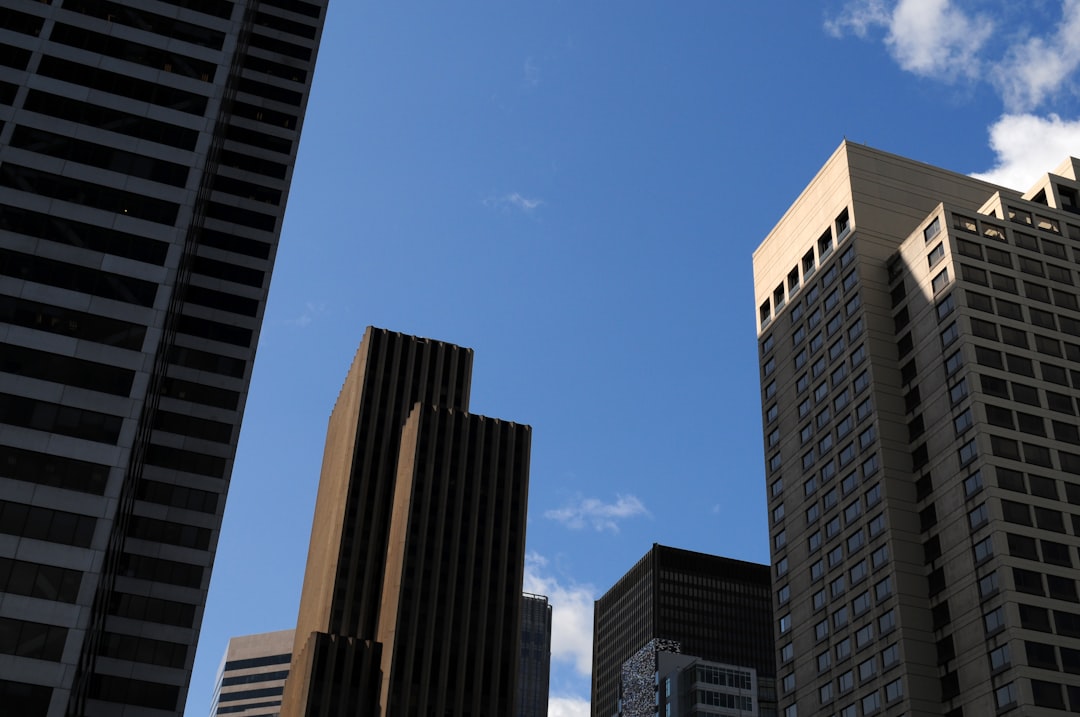
The office vacancy rate in downtown Seattle reached a staggering 36.5% in Q1 2026, rising from 33.0% a year earlier, according to Cushman & Wakefield data. This increase, combined with a dip in average asking rents, signals continued challenges in the office market as companies reassess space needs in the post-pandemic economy.
Key Takeaways
- Downtown Seattle office vacancy rate surged to 36.5% in Q1 2026.
- Seattle’s average office asking rent decreased to $35.20 per square foot.
- Industrial space in Seattle maintains a lower vacancy rate of 9.7%.
- Investment opportunities grow as lease rates decline.
Why Are Seattle’s Office Vacancy Rates Increasing?
The surge in Seattle’s office vacancy rate to 36.5% is primarily driven by continued remote work trends and corporate downsizing. Many companies are opting for flexible work arrangements, reducing their need for traditional office space. According to industry research, this shift is resulting in higher vacancy rates as businesses sublease or terminate leases.
How Are Lease Rates Affected?
Seattle’s average office asking rent has declined to $35.20 per square foot, down 1.4% from the previous quarter and 5.2% year-over-year as reported by Kidder Mathews. This decrease reflects landlords’ attempts to attract tenants in a saturated market. Meanwhile, the Eastside office market saw a contrasting trend, with average gross rental rates increasing by 9.1% year-over-year to $48.50 per square foot, highlighting its resilience and desirability.
What Does This Mean for Investors?
For investors, the current market presents both challenges and opportunities. The high vacancy rates and decreasing lease prices may deter some, but they also offer potential for acquiring properties at reduced prices. With Seattle’s industrial vacancy rate at a more stable 9.7%, as Cushman & Wakefield reports, investors might consider diversifying into industrial assets, which continue to be in demand due to e-commerce growth.
| Market Segment | Vacancy Rate | Average Lease Rate (PSF) |
|---|---|---|
| Downtown Seattle Office | 36.5% | $35.20 |
| Seattle CBD Class A Office | 34.7% | $40.60 |
| Eastside Office | 23.9% | $48.50 |
| Seattle Industrial | 9.7% | Not Reported |
How Does This Fit Into the Bigger Picture?
The broader Puget Sound office market reflects similar trends, with an overall vacancy rate of 23.1% as of Q1 2026. This rise in vacancies is consistent with national patterns where remote work and hybrid models have altered the real estate landscape. However, the industrial sector’s stability suggests a pivot where investors and companies might focus on logistics and distribution centers.
What Should Buyers, Sellers, and Agents Do?
Buyers and investors should consider the current market as an opportunity to negotiate favorable terms, particularly in office spaces. Sellers might need to adjust pricing strategies to remain competitive. Real estate agents should focus on educating clients about market dynamics and exploring opportunities in more stable segments like industrial properties.
Local Focus: Opportunities in Washington
Despite challenges, Washington’s commercial real estate market remains dynamic. Whatcom and Skagit counties have shown significant growth in sales volume, with Whatcom up 69% year-over-year and Skagit up 119%, according to local data. This indicates robust interest in smaller markets, especially for multifamily and small industrial properties.
Frequently Asked Questions
Why is Seattle’s office vacancy rate so high?
The increase is due to ongoing remote work trends and corporate downsizing, which have decreased demand for traditional office spaces.
How are current lease rates in Seattle?
Seattle’s average office asking rent is $35.20 per square foot, reflecting a decrease as landlords attempt to attract tenants.
What opportunities exist for investors in Washington?
Investors might look into acquiring office spaces at reduced prices or diversifying into stable industrial assets.
How is the industrial market performing in Seattle?
Seattle’s industrial market maintains a lower vacancy rate of 9.7%, indicating steady demand due to e-commerce growth.
Data Sources & Methodology
This article uses data from Cushman & Wakefield, Kidder Mathews, and Beyond Real Estate market data. Washington state market data is sourced from Beyond Real Estate market data, compiled from the Northwest Multiple Listing Service (NWMLS). National and regional trends are based on industry research and local market reports.
Conclusion
While Seattle’s office market faces challenges, opportunities abound for savvy investors willing to navigate these changes. With the right strategies, the current trends could be leveraged for long-term gains. For personalized advice, consult a professional to explore the best options suited to your specific needs.