
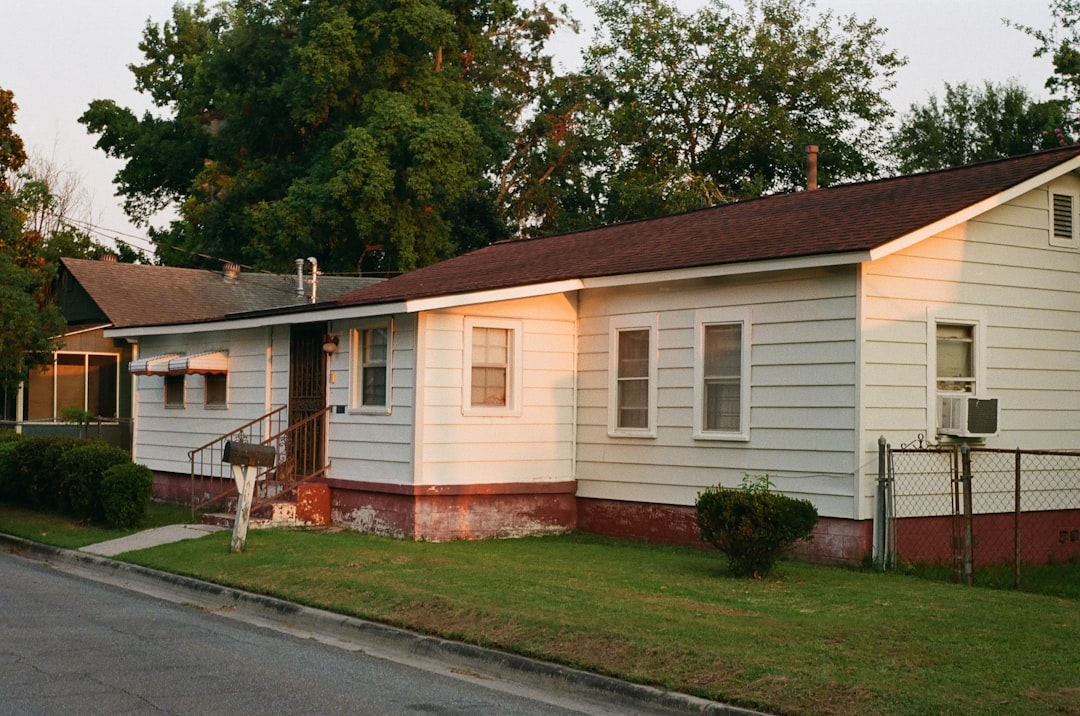
Washington’s rental market in 2026 is defined by a statewide rent increase cap of 9.683%, reflecting a 7% statutory base plus a 2.683% CPI adjustment. This cap significantly influences cash-flow strategies for property investors, requiring a careful balance between rental income and appreciation. According to Beyond Real Estate market data, Seattle’s rental market is expected to see a moderate growth rate of 2.4% to 4.0% this year. This article explores the implications for investors in Washington’s real estate market, focusing on cap rates, rental conditions, and strategic investment opportunities.
Key Takeaways
- Washington’s rent increase cap for 2026 stands at 9.683%, impacting landlord revenue strategies.
- Seattle’s cap rates have risen to approximately 5.2%, indicating a shift towards stable rent growth.
- Bellevue’s rental growth is at 2.7% annually, with Renton slightly higher at 3.2%.
- Conservative cash-flow strategies are crucial in a capped-rent environment.
What Does the 9.683% Rent Cap Mean for Washington Investors?
The 9.683% rent increase cap in Washington limits the potential for rapid rent hikes, making it essential for landlords to focus on initial rent-setting and tenant retention. This cap, derived from a 7% base rate plus the CPI adjustment, constrains revenue growth from lease renewals, emphasizing the need for strategic pricing at lease inception. According to the Washington State Legislature, this cap is crucial for maintaining balanced tenant-landlord relationships and stabilizing rental markets.
How Are Cap Rates and Returns Trending in Seattle and Beyond?
Seattle’s multifamily cap rates have increased to approximately 5.2% as rent growth stabilizes, according to Beyond Real Estate market data. This adjustment reflects a more balanced market where investors must weigh potential appreciation against immediate cash-flow returns. Bellevue and Renton present slightly different pictures, with Bellevue rents growing at 2.7% annually and Renton at 3.2%, providing varied opportunities for investors focusing on the Eastside markets.
What Investment Strategies Are Effective in Washington’s Current Market?
Given the statewide rent cap, Washington landlords should adopt conservative cash-flow strategies. This includes focusing on low vacancy rates, prudent expense management, and competitive initial pricing. According to Wexford Insurance, relying less on aggressive rent escalations and more on solid tenant relationships and operational efficiency is key in 2026. For those focusing on appreciation, long-term value growth remains viable, driven by supply constraints and demographic shifts.
How Does Washington’s Landlord-Tenant Law Affect Investment Decisions?
Recent updates to Washington’s landlord-tenant laws, including the rent cap, necessitate careful consideration in investment strategies. The requirement for a minimum 90-day notice for rent increases adds an additional layer of planning for landlords. These legal frameworks, outlined by the Washington State Legislature, are designed to protect tenants while allowing landlords to maintain viable investment returns.
Where Are the Market Opportunities in Washington for 2026?
For investors, opportunities in Washington’s rental market include targeting areas with stronger appreciation prospects like Seattle and Bellevue, while also considering submarkets like Renton for cash-flow stability. According to industry research, evaluating city-specific cap rates and rental growth projections can uncover potential high-reward investments. Additionally, understanding local demand dynamics and infrastructure developments can provide insights into long-term investment viability.
Frequently Asked Questions
What is the current rent cap in Washington?
The current rent cap in Washington for 2026 is 9.683%, calculated from a 7% statutory base plus a 2.683% CPI adjustment. This limits how much landlords can increase rent annually.
How are Seattle’s cap rates changing?
Seattle’s cap rates have risen to approximately 5.2% in 2026, indicating a stabilization in rent growth and a more balanced market for investors.
What strategies should landlords use in a capped-rent environment?
Landlords should focus on conservative cash-flow strategies, emphasizing low vacancy, expense management, and competitive pricing at lease start to maximize returns in a capped-rent environment.
Which Washington cities offer the best investment opportunities?
Seattle and Bellevue offer solid appreciation potential, while Renton provides stability for cash-flow-focused investors. Evaluating local cap rates and rent growth can highlight specific opportunities.
Data Sources & Methodology
Data for this analysis is sourced from Beyond Real Estate market data compiled from the Northwest Multiple Listing Service (NWMLS). Additional insights are drawn from the Washington State Legislature and industry research from GPS Renting and The Joseph Group, providing a comprehensive view of current market conditions and legislative impacts. These sources offer a detailed perspective on Washington’s rental market dynamics and investment strategies for 2026.